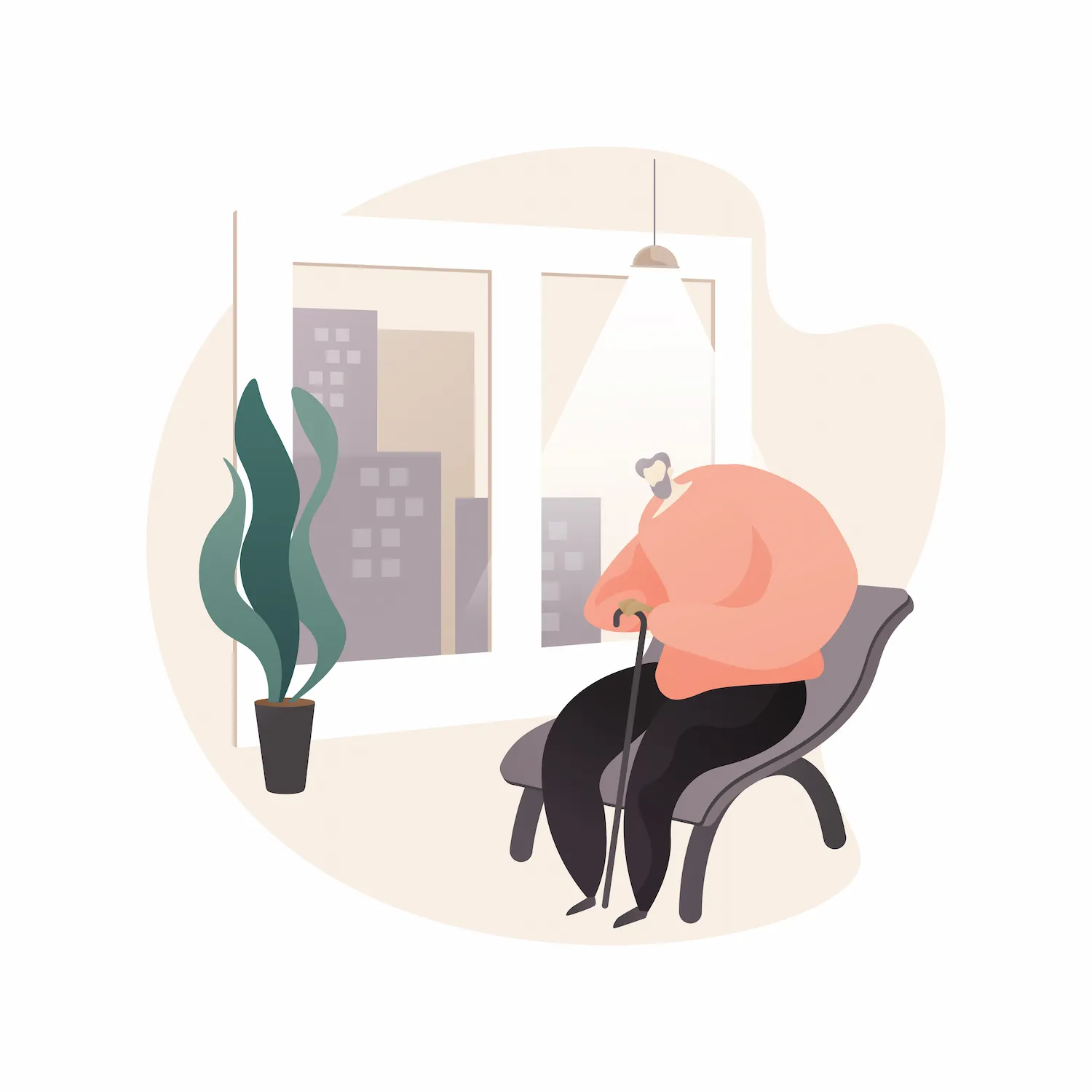
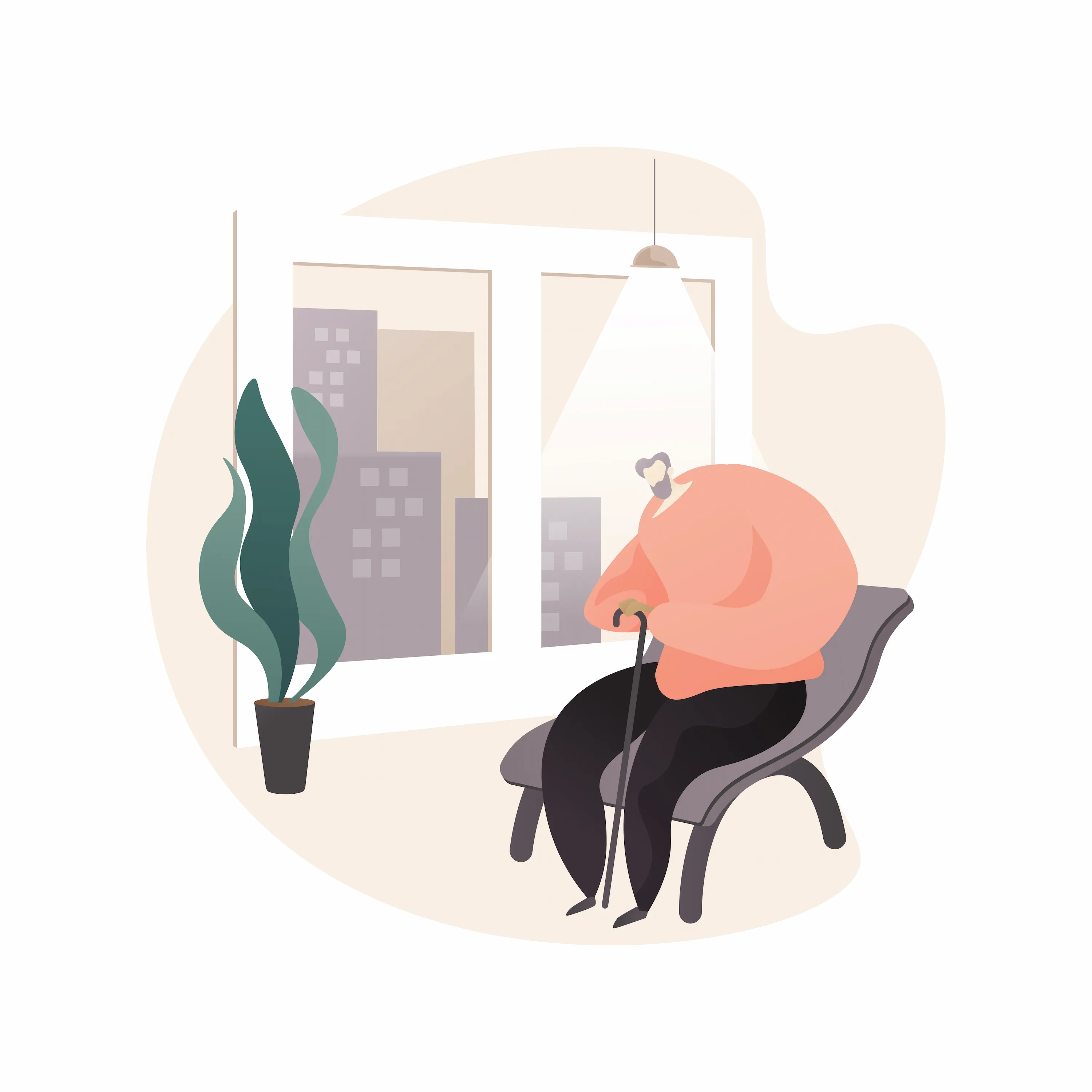
It is 2:00 PM on a Tuesday. You are in a high-stakes meeting at your office on Golf Course Road, but your mind is five miles away in DLF Phase 1. You check your home security camera. You see your father sitting in the same armchair he was in at 9:00 AM. The domestic help or a private nurse is scrolling on their phone in the next room. There is no emergency, yet something is wrong.
This is the Sandwich Generation trap. You have hired elderly care at home to ensure safety, but you are witnessing a clinical decline that no CCTV can fix.
The Medical Reality: Why Isolation is a Clinical Risk
While many families opt for home nursing Gurgaon services, they often overlook a critical geriatric phenomenon: The Frailty Syndrome.
When a senior is confined to home with a singular caregiver, they often succumb to Hypokinesia (decreased bodily movement) and Cognitive Deceleration. Without varied sensory input and social engagement, the brain’s neural plasticity drops. From a clinical perspective, isolation is as physically damaging as smoking 15 cigarettes a day.
Feature | Home Nursing (Isolated) | Aamra Senior Day Club (Social-Clinical) |
Physical Activity | Passive or bed-bound focus | Structured Kinesiology and mobility drills |
Cognitive Load | High TV consumption | Targeted neuro-rehabilitation Games |
Emergency Response | Dependent on one individual | Multi-tier clinical oversight |
Social Health | Near zero | High peer-to-peer engagement |
The Gurgaon Context: The Gated Community Paradox
Living in Gurgaon’s premier addresses offers security but fosters a unique brand of social desertion. The high-rise culture often means seniors are physically safe but socially starved. Furthermore, the city’s seasonal pollution spikes mean your parent is often "trapped" indoors. Without a structured clinical environment, this indoor confinement leads to rapid muscular atrophy and depression.
The Solution: The Aamra ACTivE CARE Protocol
At Aamra, we move beyond the "sitter" model of senior day care vs home nursing. We implement the ACTivE CARE Protocol, a proprietary framework designed to reverse the effects of sedentary aging:
A - Assessment: Continuous monitoring of vitals and gait stability.
C - Cognitive Stimulation: Research-backed exercises to sharpen memory.
T - Therapeutic Engagement: Art, music, and movement therapy.
iV - Vitality Management: Personalized nutritional and hydration tracking.
E - Emotional Resilience: Community integration to combat loneliness.
Don't wait for a fall to change your strategy.
Stop the cycle of guilt and worry. Give your parent a life of dignity, movement, and medical excellence.
When Home Nursing is No Longer Enough
If your parent exhibits these signs, the "at-home" model is failing their clinical needs:
Sarcopenia: Visible loss of muscle mass or frequent "near-falls" despite a nurse being present.
Sundowning: Increased confusion or agitation in the late afternoon.
Anorexia of Aging: Significant loss of appetite or refusal to eat meals prepared by domestic staff.
FAQs
Isn't home nursing Gurgaon safer because it is one-on-one?
How does Aamra handle the commute for seniors in Gurgaon?
What is the cost difference between 24/7 home nursing and Aamra?