Body changes in bursts at 44 and 60
We’ve been told that ageing is like a slow steady walk down a long hill. The common belief was that every year, our bodies simply wear down a little bit more in a predictable, linear line.
However, a ground breaking study from Stanford Medicine has just shattered that myth.
Research published in 2024 reveals that ageing isn't a slow slide, it’s a series of sudden molecular shifts. Instead of ageing gradually our bodies undergo two massive biological bursts or waves the first around age 44 and the second at age 60.
At Aamra, we track this research because it changes everything about how we protect your health. If aging happens in waves, our prevention strategies must be timed to catch those waves before they crash.
The Stanford study
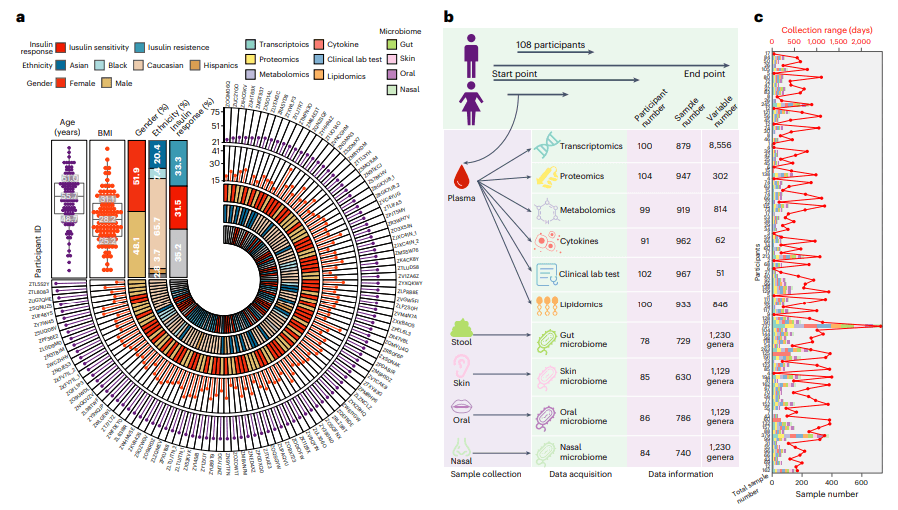
Researchers followed a group of over 100 people, tracking more than 135,000 different molecules and microbes over several years. They weren't just looking at gray hair or wrinkles; they were looking at the instruction manual of the body RNA, proteins and metabolism.
They found that 81% of all the molecules they studied did not change gradually. Instead, they stayed stable for years and then suddenly spiked or dropped at two specific ages.
Wave 1: The age 44 pivot
Most people are surprised to learn that the first major aging wave happens in the mid-40s. While many assumed these changes were just the beginning of menopause for women, the study showed the same burst happening in men.
What changes at 44?
Metabolism: The body suddenly changes how it processes lipids (fats), alcohol, and caffeine. This is why that second cup of coffee or a late-night drink starts affecting sleep more than it used to.
Structural integrity: Molecules related to skin elasticity and muscle health take their first major hit, explaining why twinges and slow recovery times often begin here.
Cardiovascular health: The molecules that manage heart health begin their first significant shift, making the 40s the critical decade to start heart-protective habits.
Wave 2: The age 60 - Immune cliff
For the Aamra community, the age 60 wave is the most important. This is the biological threshold where the risk for chronic diseases often jumps rather than crawls.
What changes at 60?
The immune system: This is the most dramatic shift. Molecules that regulate inflammation and immune response drop significantly.
Carbohydrate metabolism: Your body’s ability to handle blood sugar undergoes a massive shift. Even if you’ve never had "sugar issues" before, the rules of your body change at 60.
Kidney and heart function: The molecules responsible for filtering waste and maintaining heart rhythm see a second, much larger wave of change.
The Aamra strategy: Navigating the waves
Knowing that ageing happens in bursts allows us to be smarter about our CARE Protocol. We don't just check in on you, we proactively manage these molecular shifts.
1. Timing the prevention (C - Clinical mapping)
Because we know the 60s are a high velocity ageing zone, we prioritize Clinical Emergency Mapping. We ensure your cardiovascular baseline is recorded before these shifts occur, so we can spot the moment your "normal" starts to change.
2. Protecting the immune system (A - Active socialization)
Since the immune system takes a hit at 60, reducing stress is no longer a luxury, it’s a medical necessity. High stress produces cortisol, which further weakens an already shifting immune system. Social routine at Aamra acts as a biological buffer to keep the stress levels low.
3. Strengthening the metabolic engine" (R - Routine-led wellness)
Since carbohydrate and lipid metabolism change at 44 and 60, a fixed routine of movement and nutrition is vital. We help your body navigate these shifts by providing the consistent physical activity needed to produce enzymes like Gpld1 (the brain-rejuvenating molecule we discussed in one of our previous blogs).
The bottom line: preparation over panic
The Stanford study is actually good news. It tells us that we aren't helpless against a slow decline. Instead, it gives us two clear windows of opportunity.
If we know a wave is coming at 60, we can spend our 50s strengthening our health. At Aamra, our goal is to ensure that when these molecular shifts happen, your body is resilient, your routine is solid, and your clinical team is ready.