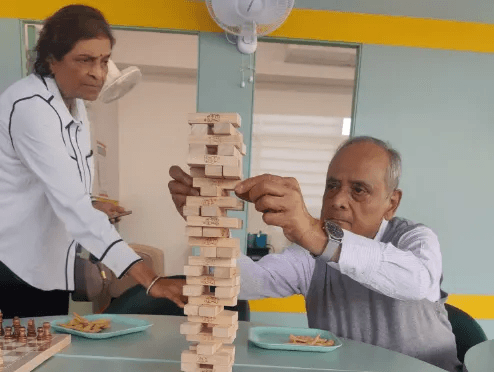
Practising proactive approach to care for dementia in elderly
When families come to me asking about care for dementia in elderly parents, the conversation often centres on "managing decline." There is a pervasive myth that once we age, our brain function is on a fixed downward slope.
But science tells us a different story.
As a doctor, my approach to brain health is not just about managing symptoms; it is about "cognitive vitality." Whether you are looking to prevent memory loss or managing early-stage changes, effective care involves understanding the three biological pillars that keep our brains resilient.
The Science of Hope: Growing "Cognitive Reserve"
For years, we believed that adults could not grow new brain cells. We now know this is false. Through a process called neurogenesis, the brain can generate new cells in the Hippocampus which is the memory centre.
This means that a crucial part of care for dementia in elderly patients is not just safety, but stimulation. We can build a "buffer" against memory loss, known as cognitive reserve. Think of your brain cells like trees; the more you learn and engage, the more "branches" (synapses) they grow. Even if some connections fade with age, a dense forest of connections keeps the mind sharp.
The 3 pillars of proactive brain care
If you are caring for an ageing parent, focus your daily routine on these three non-negotiable pillars:
1. Neurogenesis (the movement pillar)
The Science: Aerobic exercise is the most potent stimulant for growing new brain cells.
The Care Strategy: You don't need a marathon. A brisk 20-minute walk that elevates the heart rate is often more effective for the brain than a slow, hour-long stroll. Consistency beats intensity.
2. Synaptic density (the learning pillar)
The Science: Novelty creates new neural pathways. Doing the same crossword puzzle every day is less effective than learning a new skill.
The Care Strategy: Incorporate "Neurobics" into daily care.
Novelty: Learn a new card game or a few words of a new language.
Neurobics: Encourage them to use their non-dominant hand to brush teeth or eat. This simple struggle wakes up the brain.
Mental Math: Calculate grocery totals manually instead of just watching the cashier.
3. The glymphatic flush (the sleep pillar)
The science: Your brain has a "waste management system" called the glymphatic system. It only works during deep sleep, flushing out toxins associated with Alzheimer's and cognitive decline.
The care strategy: Prioritise sleep hygiene. Poor sleep isn't just an annoyance; it prevents the brain from "taking out the trash."
Fuelling the mind: The MIND Diet
Nutrition is a cornerstone of care for dementia in elderly. Research supports the MIND Diet (Mediterranean-DASH Intervention for Neurodegenerative Delay) to slow brain ageing.
Green light (daily): Leafy greens like spinach and kale.
Yellow light (weekly): Berries (blueberries/strawberries) at least twice a week; healthy fats like walnuts and fatty fish.
Red light (limit): Red meats, butter, and processed sweets.
When to consult the doctor
It is normal to have "tip-of-the-tongue" moments where a name is forgotten. However, effective care means recognising the red flags that require medical intervention:
Disorientation: Getting lost in very familiar places (like their own neighbourhood).
Executive dysfunction: Sudden difficulty managing a cheque book or following a simple recipe they’ve known for years.
Language issues: Substituting inappropriate words (e.g., calling a "watch" a "wrist-clock").
Mood shifts: Unusual irritability, anxiety, or apathy that wasn't there before.
Conclusion: Consistency over intensity
If you are overwhelmed by the idea of "brain training," remember this rule: Consistency over intensity.
Five minutes of a new puzzle and a 20-minute walk done daily are far more effective for the brain than one "marathon" session once a month. Pick just one habit from this list to start today.
Dr. Akanksha Saxena is the founder of The Aamra Seniors Club, specialising in holistic wellness and engagement for seniors.