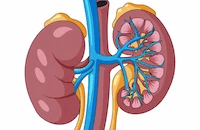
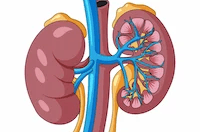
If the heart is the body’s engine, the kidneys are its master filters. They quietly clean our blood 24 hours a day, removing waste and balancing fluids. But unlike the heart, which races when stressed or joints that ache when inflamed, the kidneys don’t complain until the damage is significant.
I often see seniors and their family members surprised by reduced kidney function on routine blood tests and they often say "but I have no complaints, Doctor".
This is why we call kidney disease a "silent" condition. As we age, preserving kidney function isn't just about avoiding dialysis, it’s about maintaining the delicate chemical balance that keeps us energetic and clear headed.
The ageing filter
It is important to distinguish between normal ageing and disease. Just as our muscles lose mass, our kidneys lose some filtering capacity as we age.
The measure: We measure function using eGFR (estimated Glomerular Filtration Rate).
The reality: A slight decline in eGFR is common for someone over 70 and may not need aggressive treatment, just careful monitoring.
However, three specific factors can turn this natural decline into a medical crisis.
The three major threats to senior kidneys
1. Diabetes & Hypertension
These two conditions account for the vast majority of kidney issues. High blood sugar "gums up" the tiny filters, while high blood pressure batters them.
Doctor’s advice: If you have diabetes or high BP, your kidney health is directly tied to how well you manage those numbers. There is no separation.
2. The painkillers - NSAIDs
This is the most preventable cause of acute kidney injury in seniors. We often reach for Ibuprofen (Brufen) or diclofenac (Voveran) for knee or back pain.
The danger: These drugs (NSAIDs) reduce blood flow to the kidneys. For a young person, it’s temporary. For a senior with already reduced function, it can be the tipping point into failure.
The alternative: Always consult your doctor for kidney-safe pain management options (like Paracetamol or topical gels (example: Volini gel).
3. Dehydration
Seniors have a reduced thirst drive. Chronic mild dehydration forces the kidneys to work harder to concentrate urine, stressing the tissue over time.
Red flags: when to see the doctor
Because early symptoms are subtle, watch for these changes:
Swelling (oedema): Puffy ankles, feet, or puffiness around the eyes, especially in the morning.
Fatigue: A buildup of toxins (urea) can cause "brain fog" and exhaustion.
Urinary changes: Getting up frequently at night (nocturia) or foamy urine (a sign of protein leakage).
Metallic taste: Food starting to taste "off" or metallic.
Kidney-protective action plan
If you or your parents are managing reduced kidney function, here is the protocol I recommend:
The "salt brake": Sodium increases blood pressure, which strains the kidneys. Switch to fresh herbs, lemon, and spices for flavour instead of salt.
Hydration (with a caveat): While water is good, if you have advanced kidney disease, your doctor might actually restrict fluids. For most early-stage seniors, however, staying well-hydrated is key.
Protein moderation: Breaking down protein creates waste that kidneys must filter. Excessive protein powders or heavy meat diets can add load. Focus on high-quality, moderate portions.
Annual "KFT" Screening: Make sure your annual checkup includes a Kidney Function Test (KFT) and a urine test for albumin (protein).
Conclusion:
Reduced kidney function is not a death sentence, it is a management challenge. With the right adjustments to diet, medication and hydration, many seniors live with stable kidney function for decades.
Treat your kidneys with respect, monitor your BP, be careful with painkillers and listen to your body.
Dr. Akanksha Saxena is the founder of The Aamra Seniors Club, advocating for preventive health and holistic wellness.