For decades, the phrase "old age home" has carried a heavy stigma in our culture. It whispered of abandonment and isolation. But as a doctor practicing in Gurgaon, I am witnessing a profound shift. The conversation is moving from "old age homes" to "continuing care communities."
This is not just a change in terminology, it’s a fundamental change in how we approach the biology and psychology of ageing.
Gurgaon is a city defined by nuclear families, high rises, and busy careers. The traditional model of ageing leaves seniors isolated in large apartments, dependent on domestic help who may not be equipped to handle medical needs.
From a medical perspective, I believe continuing care communities (or CCRCs) are a vital part of the future of elder wellness in our city.
What is a Continuing Care Community?
Think of it as a spectrum, not a destination which includes different levels of support that scale with the ageing needs:
Independent living: You live in your own house or apartment, cook if you want and enjoy a vibrant social life. The focus is on lifestyle and wellness.
Assisted living: You need a little help, perhaps with medication management, bathing or mobility, but you still maintain autonomy.
Skilled nursing care: If health needs become complex (post-surgery recovery or chronic illness management), 24/7 medical support is seamlessly integrated.
The medical advantage: proactive vs. reactive
In a standard residential setup, healthcare is often reactive. A senior falls, breaks a hip and then the ambulance is called.
In a continuing care community, the model is proactive.
Vitals monitoring: Regular checks catch high blood pressure before it becomes a stroke.
Nutritional control: Meals are designed by nutritionists to manage diabetes and heart health, reducing the "tea and toast" malnutrition I often see in seniors living alone.
Medication adherence: Nurses ensure medicines are taken on time, preventing the common hospitalisations caused by missed doses.
The "Social Vaccine"
I often say that loneliness is as dangerous as smoking. In Gurgaon's siloed apartments, seniors can go days without meaningful conversation.
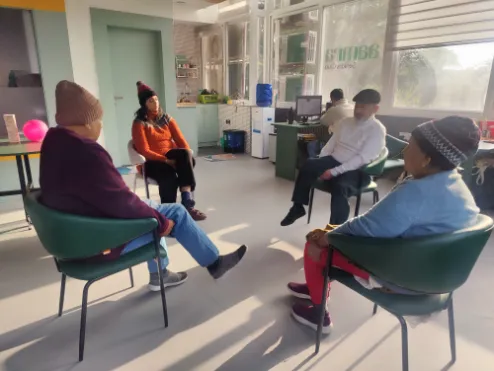
Community clubs like Aamra provide a "social vaccine." Whether it's a game of cards or a group yoga session, these interactions release oxytocin and dopamine. This neurochemical boost is a powerful defender against depression and cognitive decline (dementia).
Where Aamra fits: The "Community without walls"
Not everyone is ready or willing to move into a new facility. This is where Aamra Seniors Club steps in. We operate on the philosophy of a "Community without walls."
We bring the core benefits of a Continuing Care Community directly to the ageing population living at home, in Gurgaon:
Social layer: Through our club activities, workshops and outings, we provide the vital social engagement found in senior living communities.
Medical oversight: Our care management protocols ensure that vitals are tracked, medications are reviewed, and health is managed proactively.
Emergency support: We act as the knowledgeable proxy family member who helps coordinate response during a crisis.
Aamra bridges the gap. We allow seniors to "age in place" in the comfort of their own homes while enjoying the safety net and vibrant community connection.
Breaking the stigma
Choosing a Continuing Care Community is not an act of giving up, it is an act of taking control. It allows seniors to age with dignity, surrounded by peers, rather than waiting for a crisis to force a decision.
The goal is simple: To ensure that as we age, we don't just survive, we thrive.
Dr. Akanksha Saxena is the founder of The Aamra Seniors Club. We advocate for holistic senior wellness, building supportive communities both virtually and physically.