In the modern medical world, we have become accustomed to the specialist model. If a senior experiences a fall, they are sent to an orthopaedic surgeon to check the bones. If they become forgetful, they visit a neurologist. If they struggle with bladder control, they see a urologist. This approach treats the human body like a machine made of isolated parts that can be fixed independently of one another.
However, a landmark study published in the Journal of the American Medical Association (JAMA) turned this model on its head. Led by Dr Mary Tinetti, often regarded as the "mother of geriatric medicine," the research proves that the most common challenges faced by the elderly i.e. falls, incontinence and the loss of physical independence are not separate diseases. Instead, they are geriatric syndromes linked by the exact same root causes.
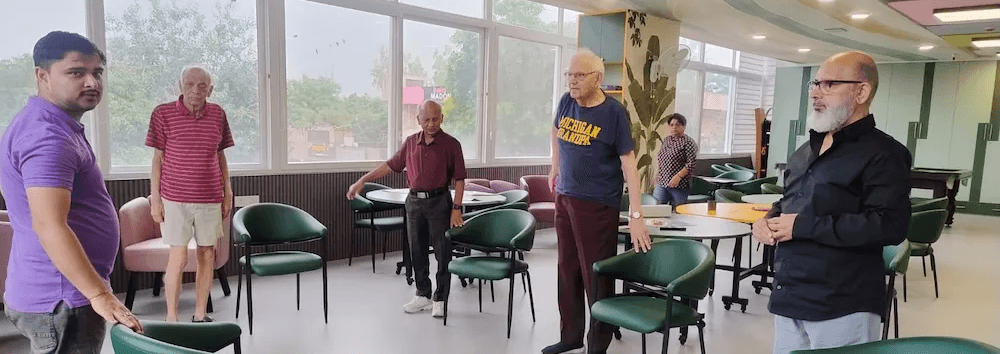
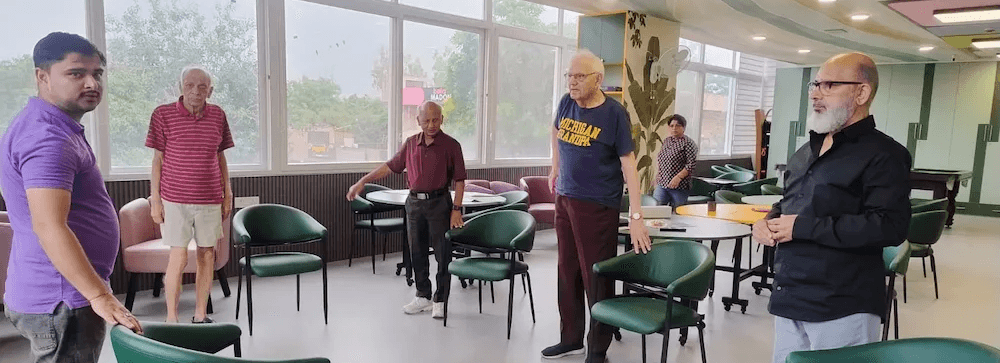
At Aamra Seniors Club, we have built our entire clinical philosophy around this unifying approach. We understand that to protect a senior’s quality of life, we cannot simply treat symptoms in silos. We must treat the person as a single, interconnected system.
The myth of the isolated symptom
The JAMA study reveals a startling truth: most medical interventions for seniors fail because they focus on the "what" instead of the "why." A fall is rarely just about a slippery floor or a weak knee. Incontinence is rarely just about the bladder.
The researchers identified four "shared risk factors" that act as the foundation for almost every geriatric crisis:
Impaired mobility: A decline in balance, gait speed and the ability to navigate obstacles.
Cognitive impairment: A reduction in the brain’s ability to process surroundings and make split-second decisions.
Functional decline: The subtle loss of strength needed for daily tasks such as getting out of a chair or dressing.
Polypharmacy: The biological effects of taking multiple medications, which can lead to dizziness, confusion and muscle weakness.
When these factors overlap, they create what doctors call a "syndrome." If you only treat one part of the syndrome, the other parts will eventually pull the senior back into a state of frailty.
The downward spiral of geriatric care
Consider a common scenario: A senior experiences mild dizziness due to a new blood pressure medication (polypharmacy). This dizziness leads to a slight hesitation in their step (impaired mobility). Because they feel unsteady, they stay at home more often, leading to social isolation and a lack of mental stimulation (cognitive impairment). Eventually, their muscles weaken from lack of use (functional decline), leading to a serious fall.
If a doctor only treats the broken bone from that fall, they have missed the three other factors that caused it. This is why many seniors enter a revolving door of hospital visits. At Aamra, our CARE Protocol is designed to stop this spiral before it begins by addressing all four risk factors simultaneously.
How the CARE Protocol applies the unifying approach
By using the research from JAMA, we have created a daily environment that acts as a clinical intervention.
C – Clinical emergency mapping
We don't just wait for an emergency, we map the risks. This includes a heavy focus on medication management. By understanding a member’s "medication load," we can identify if a certain drug is causing the dizziness or "brain fog" that Dr Tinetti identifies as a shared risk factor.
A – Active socialisation
Cognitive impairment is a primary driver of functional decline. When a senior is socially active, their brain stays "switched on." Our peer-led sessions force the brain to engage in social signalling and verbal fluency, which strengthens the neural pathways needed to maintain balance and coordination.
R – Routine-led wellness
Movement is the best medicine for geriatric syndromes. Our routine movement sessions are specifically designed to improve "functional gait." We don't just focus on strength, we focus on proprioception which is the body’s ability to know where it is in space. This directly reduces the "impaired mobility" risk factor identified in the JAMA study.
E – Early warning system (EWS)
The most critical part of the Tinetti research is the realization that functional decline happens in tiny, measurable increments. Our staff monitors behavioural biomarkers. If a member takes two seconds longer to stand up from a sofa than they did last month, our system flags it. We don't wait for the fall, we address the muscle weakness or cognitive distraction immediately.
A new standard for senior health in Gurgaon
For families in Gurgaon, the takeaway from the JAMA study is clear: keeping your parents safe requires more than just a good doctor; it requires a supportive, medically-guided lifestyle.
At Aamra, we believe that the "power of one" i.e. one unified protocol, one supportive community, and one watchful eye, is the only way to navigate the complexities of ageing. We aren't just a day club; we are a clinical shield against the shared risks of decline. By treating the person, not the symptom, we ensure that our members don't just live longer, they live with dignity, strength, and independence.