In the residential societies of Gurugram, we are witnessing a health paradox. While access to organic produce, imported supplements and clean air filtration has never been higher, the biological resilience of our senior population is not keeping pace. We often see seniors living in high-end comfort who nevertheless struggle with persistent fatigue, muscle wasting and a gradual fading of cognitive sharpness. For years, the standard advice for these issues has been simple: eat more curd.
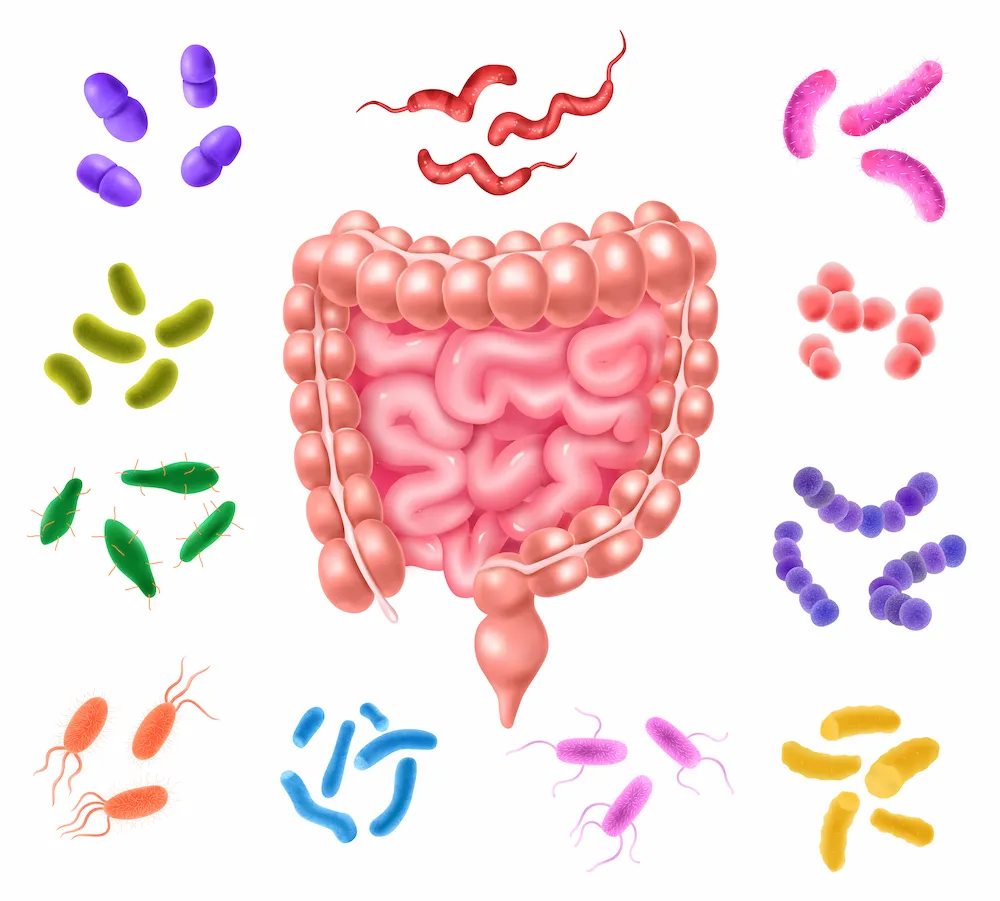
While curd is a foundational element of the Indian diet, modern geroscience suggests that relying on it as a sole source of gut health is like trying to restore a rainforest by planting a single type of tree. To truly protect the health of a senior, we must look beyond probiotics and understand the complex ecosystem known as the microbiome. New research from 2025 and 2026 confirms that gut diversity is not just about digestion, it is the primary engine of longevity and the most effective shield against the inflammation that drives ageing.
The clinical shift from probiotics to diversity
For decades, the conversation around the gut was dominated by probiotics i.e. live bacteria found in foods like curd or kombucha. The logic was that by swallowing these "good bugs," we could colonize the gut and improve health. However, the landmark ELDERMET study published in the journal Nature changed this narrative forever. By studying hundreds of seniors, researchers discovered that those who lived independently and remained physically robust shared one specific trait: an immense variety of bacterial species in their gut.
The study proved that as we age, our microbiome tends to become less diverse. This loss of variety, known as dysbiosis, is a direct predictor of frailty. When the gut population shrinks to just a few dominant species, the body loses its ability to regulate its internal environment. At Aamra, we view this lack of diversity as a clinical red flag. It is the invisible precursor to nearly every age-related condition, from brittle bones to memory loss.
The gut as a chemical factory for the brain
The relationship between the gut and the brain is often discussed, but the biological mechanism is rarely explained. Your gut acts as a sophisticated chemical factory that produces precursors for neurotransmitters like serotonin and GABA. However, its most critical role for seniors is the maintenance of the blood brain barrier.
When gut diversity drops, the lining of the intestines becomes permeable, a condition often called leaky gut. This allows bacterial toxins known as lipopolysaccharides to enter the bloodstream. These toxins act as a biological irritant, causing a state of chronic, low-grade inflammation that researchers call inflammaging. This inflammation eventually breaches the protective shield of the brain, leading to the cognitive fog and memory gaps that many people mistakenly accept as a normal part of getting older.
A diverse microbiome produces short-chain fatty acids that strengthen these protective barriers. By cultivating a wide array of bacterial species, we are essentially providing the brain with a molecular cleaning crew. This synergy ensures that the repair enzymes produced by the liver, such as Gpld1, can reach the brain and perform the vital task of clearing out harmful proteins associated with dementia.
Fueling the muscle through the gut axis
One of the most significant breakthroughs in recent longevity research is the discovery of the gut-muscle axis. We have long known that seniors need protein and resistance training to prevent sarcopenia, which is the age-related loss of muscle mass. But we now understand that muscle tissue requires more than just amino acids, it requires chemical signals from the gut.
Specific bacteria in a diverse microbiome ferment plant fibres to produce butyrate. This compound is the preferred fuel for the mitochondria, or the power plants, inside your muscle cells. Without a steady supply of butyrate, the muscles struggle to repair themselves after exercise, regardless of how much protein a senior consumes.
This explains why some seniors seem to waste away even though they eat well and go for walks. If the gut microbiome is silent, the muscle engine remains cold. At Aamra, we focus on the gut-muscle axis to ensure that every squat or lunge performed in our vitality sessions is backed by the right internal chemistry. Physical independence is a direct result of this microbial partnership.
The 30 plant rule: building a microbial jungle
If curd is not the total solution, what is? The American Gut Project provided the answer when it identified the single greatest predictor of a healthy microbiome: the number of different plants a person eats per week. The study found that individuals who consumed 30 or more different types of plant matter weekly had significantly more diverse microbiomes than those who ate fewer than ten.
For a senior in Gurugram, this requires a shift away from the traditional beige diet of wheat rotis, rice, and potatoes. Building a microbial jungle requires a variety of fibres, as each bacterial species thrives on a different type of plant fuel. This does not mean eating more food; it means eating a wider variety of food.
A simple way to achieve this is to count the colours on the plate. Different pigments in vegetables, such as the deep purple of beetroot or the bright orange of carrots, represent different polyphenols that act as prebiotics. Prebiotics are the non-digestible fibres that "feed" the beneficial bacteria already living in the gut. By diversifying the plant intake, we are effectively feeding a thousand different tribes of bacteria, each of which provides a unique benefit to the host's health.
The biological cost of the beige diet
In many households, senior meals become repetitive for the sake of convenience or digestive comfort. However, this beige diet leads to a dangerous narrowing of the microbiome. When the gut is only fed a few types of fibre, the bacterial species that rely on other fibres begin to die off.
As these species disappear, the gut environment becomes less acidic and more hospitable to opportunistic, harmful bacteria. This shift triggers a cascade of metabolic issues, including insulin resistance and a higher risk of type 2 diabetes. By reintroducing a variety of lentils, seeds, spices, and whole grains like millets, we can reverse this trend. The goal is to move the senior's biology from a state of standby to a state of active metabolic health.
Beyond the bathroom scale: measuring what matters
We encourage families to move beyond measuring health by weight or blood pressure alone. True vitality is found in the hidden metrics of the gut. We look for indicators like the TUG test scores and grip strength, which we know are biologically linked to the short-chain fatty acids produced in a healthy microbiome.
When a senior has a diverse gut, they possess a higher homeostatic reserve. This means their body has the backup energy required to fight off a sudden infection or recover from a minor injury. In geroscience, this resilience is the difference between a minor setback and a permanent loss of independence.
A roadmap for the week
As you plan your parent's meals for the coming week, perform a quick diversity audit. Look for ways to add seeds like flax or pumpkin to their breakfast. Introduce a new type of dal or a different variety of millet for lunch. Add a garnish of fresh herbs or a sprinkle of black pepper to their dinner.
These small additions are not just culinary choices, they are biological interventions. By diversifying the plate, you are protecting their brain, fueling their muscles, and lowering their overall inflammatory load. You are helping them move beyond the golden cage of comfort and into a state of active, vibrant longevity.
At Aamra, we are here to guide you through this transition. We turn the complex research of geroscience into a daily routine that ensures your parent's gut is a thriving jungle, capable of supporting a long and independent life.
Visit us at www.aamra.life to learn more about our vitality protocols and how we can help your family start squaring the health curve today.
The Silent Muscle-Wasting Trap
If your elderly parent is eating a high-protein diet and going for daily walks but is still losing weight, looking frail, or struggling to stand up from a chair, do not ignore it. This is a classic sign of a broken Gut-Muscle Axis. Without a highly diverse microbiome to ferment plant fibers into butyrate (the fuel required by muscle mitochondria to repair tissue), the protein they consume cannot be synthesized effectively. If unaddressed, this silent state of dysbiosis accelerates sarcopenia (severe muscle wasting), leaving seniors highly vulnerable to sudden falls and catastrophic hip fractures.
FAQs
If curd is a natural probiotic, why isn't it enough to maintain my parent's gut health?
What exactly is "Inflammaging" and how does it affect my parent's memory?
How can an elderly person digest 30 different plants a week without getting bloating or gas?