The "second puberty" that defines how we age
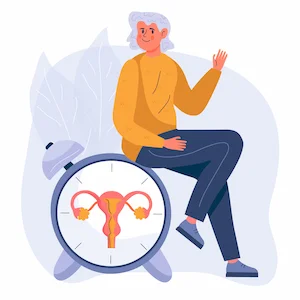
If we look at the human lifespan, menopause isn't an end, it’s a pivot. With modern life expectancy, many women will spend nearly half their lives in the post-menopausal stage. I am here to change the narrative: menopause management is actually preventative medicine for seniors.
When estrogen levels drop, the protective "shield" over a woman’s heart, bones, and brain begins to thin. Here we will learn how to reinforce that shield for healthy aging.
1. The bone bank: preventing the "fragility fracture"
During my time as a clinician, I have seen the direct result of unmanaged menopause which is osteoporosis. Estrogen is the "manager" of your bone-building cells. When the manager leaves the job:
The rapid loss: Women can lose up to 20% of their bone density in the five to seven years following menopause.
The risk: This leads to the "silent" fractures of the spine or the devastating hip fractures that can permanently steal an elder's independence.
The strategy: High-impact movement (if safe) and resistance training are non-negotiable. We must signal to the bones that they are still needed.
2. The metabolic shift: Why belly fat matters
We often discuss "visceral fat” , the fat that wraps around your internal organs. After menopause, the body naturally shifts fat storage from the hips to the abdomen.
The insulin connection: This shift isn't about aesthetics, it’s about metabolic health. Abdominal fat is biologically active, secreting inflammatory markers that increase the risk of heart disease and Type 2 Diabetes.
Healthy ageing tip: Managing your "glycemic load" (the sugar spikes from white breads and sweets) becomes much more important after age 50 than it was at 30.
3. The brain fog
Many of my patients in the ENT and Head & Neck clinic complain of memory lapses or a "cloudy" feeling. While we always rule out structural issues, we must acknowledge the estrogen-brain link.
Thermoregulation: Those "hot flashes" aren't just uncomfortable, they are a sign of the brain's hypothalamus struggling to regulate temperature without its usual hormonal signals.
Cognitive reserve: Estrogen is neuroprotective. Supporting your brain through this transition via sleep hygiene, social engagement, and potentially Hormone Replacement Therapy (HRT) where appropriate is a key pillar of dementia prevention.
4. The "dryness" factor: beyond the obvious
As an ENT, I deal with mucosal membranes every day. Estrogen keeps the "linings" of our body hydrated including the mouth, the eyes and the urogenital tract.
The Impact: Chronic dry mouth (xerostomia) can lead to dental decay and difficulty swallowing.
The Solution: Staying hydrated is a start, but local treatments and regular check-ups with your ENT and Gynecologist can prevent these "small" irritations from becoming "big" quality-of-life hurdles.
Blueprint for seniors
To my patients entering their "Golden Years," I recommend this 3-point plan:
Know your bone density: Get a DEXA scan (bone density test) to see where you stand. Knowledge is power.
Prioritize protein: As estrogen drops, your body becomes less efficient at building muscle. Aim for 25–30 grams of protein per meal to fight "Sarcopenia" (muscle loss).
Check your heart: After menopause, a woman’s risk of heart disease catches up to a man’s. Monitor your blood pressure and cholesterol with the same rigor you’d give to a surgical follow-up.
Concluding remarks
Menopause is not a disease to be cured, it is a transition to be mastered. By understanding the hormonal changes in our 50s, we can ensure our 70s and 80s are defined by strength, clarity, and vitality.
At Aamra we listen to your issues and try to determine the underlying cause for it and tray and treat the same with holistic measures that include exercise, hydration and changes in food habits.