The silent accelerator
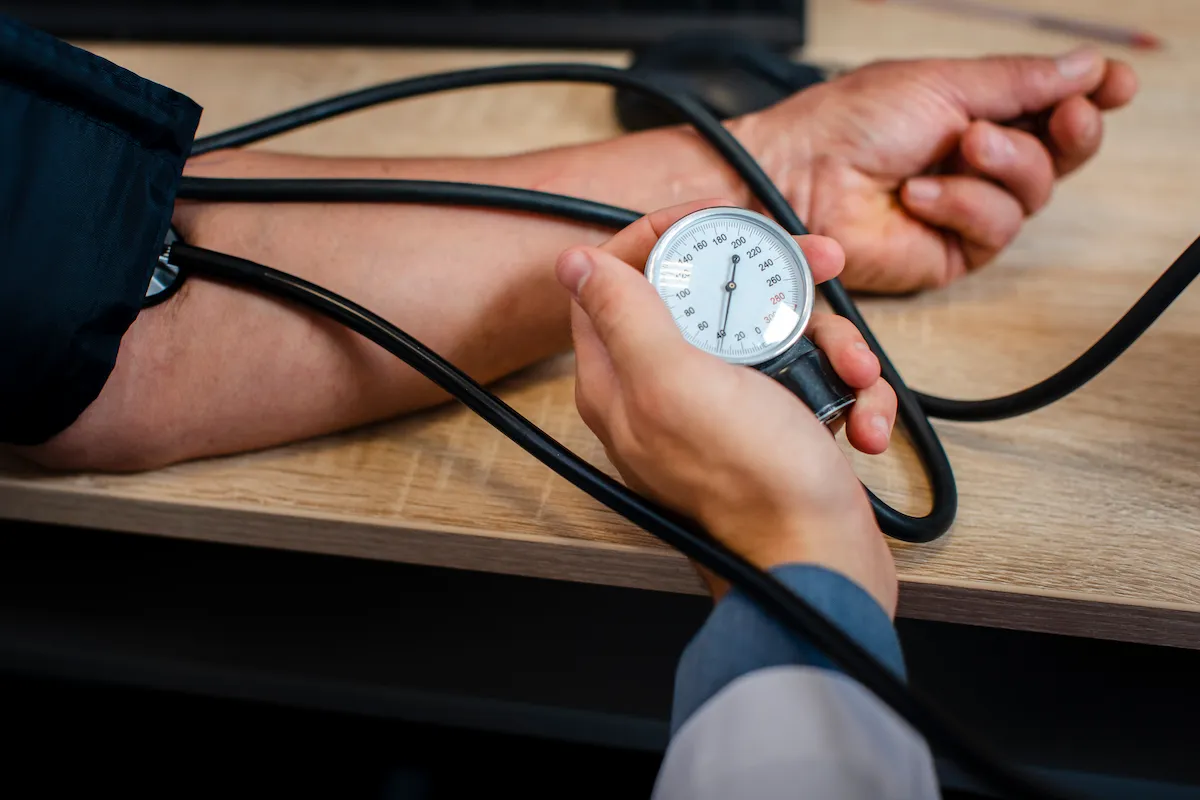
In the field of geriatric medicine, high blood pressure (hypertension) is often called "the silent killer". However, for the modern longevity specialist, it is more accurately described as "the silent accelerator". It does not just sit in the background as a static number on a monitor, it actively accelerates the ageing of every major organ system in the body.
At Aamra Seniors Club, we track the latest data from the world's leading medical journals such as The Lancet, NEJM, JAMA and Science to understand the profound correlation between blood pressure and senior morbidity. When we manage hypertension, we aren't just lowering a number, we are protecting the brain, the heart, and the very independence of our members.
1. The brain: hypertension as a driver of dementia
For a long time, the medical community viewed Alzheimer's and vascular dementia as entirely separate issues. However, the 2024 Lancet Commission on Dementia has provided definitive proof that hypertension is the single most important modifiable risk factor for preventing cognitive decline.
Chronic high blood pressure creates micro-insults in the brain. Over time, the pressure damages the delicate white matter i.e. the "cabling" that allows different parts of the brain to communicate. This damage leads to a loss of processing speed and memory. The Lancet report highlights that maintaining a systolic blood pressure (the top number) below 130 mmHg can significantly reduce the accumulation of toxic proteins in the brain. Essentially, heart health is brain health.
2. The intensive care breakthrough: findings from the NEJM
How low should blood pressure go for a senior? This was a debated topic until the SPRINT Trial (Systolic Blood Pressure Intervention Trial), published in the New England Journal of Medicine.
This landmark study followed over 9,000 adults, including a significant group over the age of 75. It compared a standard target of 140 mmHg with an intensive target of 120 mmHg. The results were undeniable: intensive control reduced the rates of cardiovascular events, such as heart failure and stroke, by 25% and the overall risk of death by 27%.
Data from the SPRINT MIND follow-up (2024/2025) proves that the neuro-protective benefits of intensive BP control last for over a decade.
For the Aamra community, this research proves that being average with blood pressure control is not enough, precision and consistency are the keys to longevity.
3. The stability trap: JAMA and the risk of falls
While the NEJM advocates for lower pressure, the Journal of the American Medical Association (JAMA) reminds us of a critical geriatric nuance: orthostatic hypotension.
Dr Mary Tinetti’s research in JAMA identifies hypertension as a shared risk factor for geriatric syndromes, particularly falls. If blood pressure medication is too aggressive or not monitored correctly, a senior may experience a sudden drop in pressure when standing up. This causes dizziness, which leads to a fall.
However as per the SPRINT MIND follow up safety in the elderly (the 75+ sub-group) was reported. Critics originally feared that a 120 mmHg target would cause too many falls in seniors. The follow-up data showed:
No increased fall risk: Even in participants aged 75 and older, intensive treatment did not lead to an increased risk of injurious falls or fractures.
Kidney health: While there was a slight increase in temporary kidney stress (measured by creatinine), it did not lead to long-term permanent kidney failure.
This is where the Aamra CARE Protocol becomes vital. We don't just look at the blood pressure reading, we monitor the member's stability and gait. Morbidity in seniors is often a "double-edged sword" we must lower the pressure to protect the heart, but maintain the stability to protect the hips.
4. The biology of stiffness: insights from Nature magazine
Why does blood pressure rise as we age? Research published in Nature Magazine points to a molecular process called vascular ageing.
As we age, the elastin (the "rubber band" protein) in our arteries begins to break down and is replaced by stiff collagen. High blood pressure acts like a blowtorch on this process, accelerating the stiffening of the arteries. Stiff arteries then force the heart to pump harder, which further raises blood pressure, a dangerous feedback loop that eventually damages the kidneys and the heart's left ventricle. Nature identifies hypertension as a "systemic ageing accelerator" that moves a person from "healthy ageing" to "frailty" much faster than normal.
How the Aamra CARE Protocol intervenes
By correlating the research from these four journals, we have designed our club to be a protective environment against hypertension-led morbidity.
C – Clinical emergency mapping (NEJM-informed): We establish a precise systolic baseline for every member.
A – Active socialisation (Lancet-informed): Social engagement lowers chronic stress, which reduces the constant "spikes" in blood pressure that damage brain white matter.
R – Routine-led wellness (Nature-informed): Our movement sessions are designed to combat arterial stiffness. By promoting blood flow through gentle, consistent aerobic activity, we help maintain the "elasticity" of our members' vascular systems.
E – Early warning system (JAMA-informed): We monitor for the dizziness and "behavioural biomarkers" that suggest a member might be over-medicated or experiencing pressure drops. We try to catch the "instability" before it leads to a fall.
Conclusion: knowledge is the first line of defence
Hypertension is not an inevitable part of ageing, it is a clinical challenge that can be managed with the right data and the right environment. By understanding the links between the heart, the brain, and the vascular system, we can slow down the silent accelerator and ensure our members enjoy their golden years with clarity, strength, and independence.