Why sleep is the ultimate detox
For decades, scientists were baffled by a biological mystery. Every organ in the human body produces metabolic waste, and every organ has a dedicated drainage system, the lymphatic system, to clear it away. Every organ, that is, except the brain. Despite being the most metabolically active organ, consuming 20% of the body’s energy, the brain appeared to have no waste management system at all.
That changed in 2012 when researchers at the University of Rochester, publishing in the journal Science, discovered the glymphatic system. This discovery has fundamentally rewritten our understanding of brain health, proving that sleep is not just a period of "rest," but a period of intense, biological cleaning.
At Aamra Seniors Club, we track these breakthroughs because they explain the "why" behind our protocols. Understanding the glymphatic system is the key to understanding how we prevent neurodegenerative diseases like Alzheimer’s and Parkinson’s.
What is the glymphatic system?
The name "glymphatic" is a combination of two words: glia (the support cells of the brain) and lymphatic. Unlike the rest of the body, which clears waste through fixed vessels, the brain uses its own "plumbing" system.
During the day, the brain is busy processing information, which creates molecular debris, specifically proteins like amyloid-beta and tau. If these proteins are left to accumulate, they form the plaques and tangles that are the hallmarks of dementia.
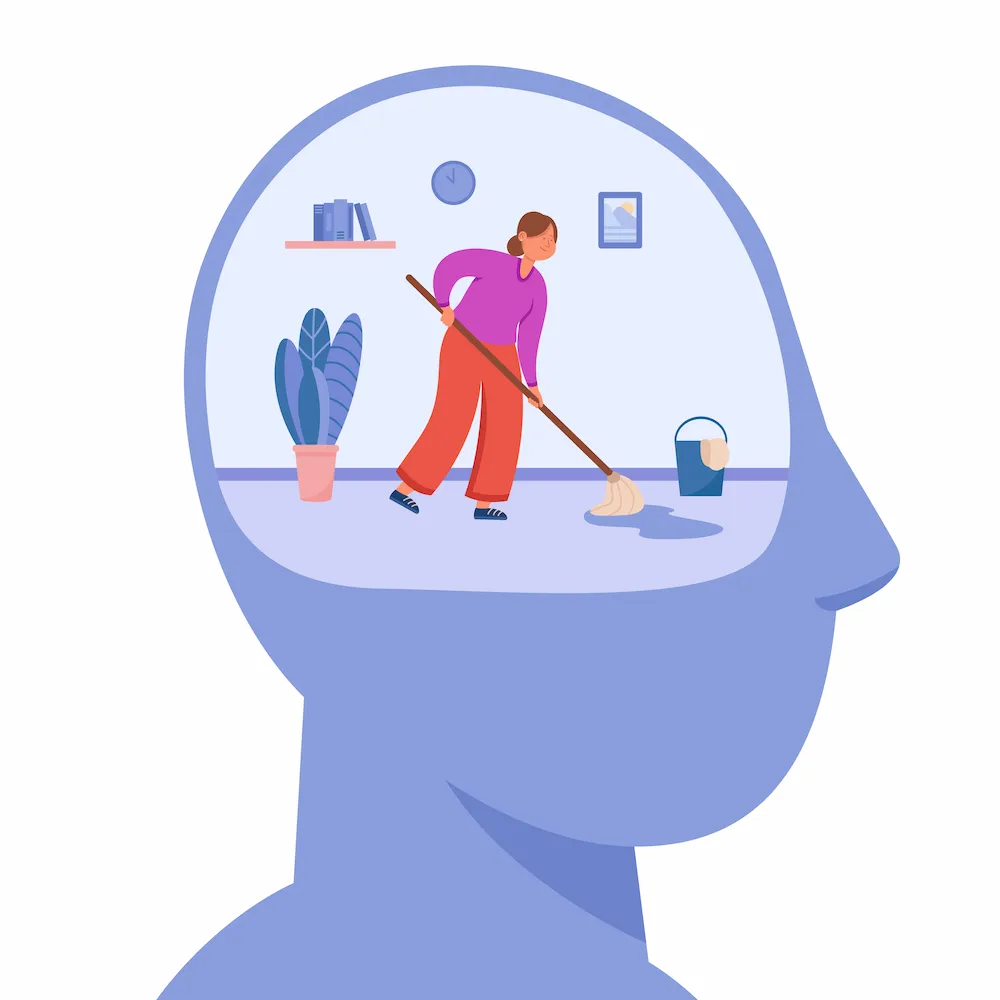
When you fall into a deep sleep, a remarkable transformation occurs. The brain cells actually shrink, increasing the space between them by up to 60%. This allows Cerebrospinal Fluid (CSF) to rush in and "wash" the brain tissue, carrying the toxic debris away into the body’s general circulation to be filtered by the liver. It is, quite literally, a nightly pressure wash for your mind.
The ageing challenge: when the "pump" fails
As we age, this cleaning system naturally becomes less efficient. Research published in Nature Aging has identified three primary reasons why the glymphatic system struggles in our 60s and 70s:
Sleep fragmentation: The glymphatic system only reaches peak efficiency during slow-wave (deep) sleep. As seniors often experience lighter or more interrupted sleep, the wash cycle is frequently cut short, leaving metabolic waste behind.
Arterial stiffness: The system relies on the pulsing of our arteries to pump the fluid through the brain. As discussed in Science Magazine, hypertension and vascular ageing lead to stiff arteries, which significantly reduces the power of this pump.
The posture effect: Emerging research suggests that the glymphatic system is affected by gravity. Studies indicate that sleeping in a lateral (side-lying) position may be more effective for waste clearance than sleeping on one's back.
Why this is a medical priority
When the glymphatic system fails, the brain begins to "cloud." This is not just about feeling tired; it is a clinical state of neuro-inflammation. The build-up of amyloid-beta creates a feedback loop: the more waste that stays in the brain, the harder it is for the brain to enter the deep sleep needed to clear it.
This is why, at Aamra, we treat sleep hygiene as a high-stakes medical intervention. We aren't just helping our members "feel rested", we are helping them decontaminate their neurological systems.
The Aamra CARE Protocol: activating the brain’s drainage
We have integrated the science of the glymphatic system into every pillar of our care model:
Pillar R (Routine-led wellness): We use light exposure and movement to anchor the circadian rhythm. By ensuring our members are physically active during the day, we increase sleep pressure, which makes the deep-sleep stages of the glymphatic cycle more likely to occur at night.
Pillar C (Clinical mapping): We monitor for conditions like sleep apnoea or chronic hypertension. If the heart is struggling or breathing is interrupted, the glymphatic system cannot function. We work with families to ensure these vascular pumps are working at 100% capacity.
Pillar E (Early warning system): Persistent brain fog, afternoon fatigue or a sudden decline in morning cognitive tests are flagged by our staff. These are often the first behavioural biomarkers of a glymphatic system that is failing to clear waste effectively.
Conclusion: the gift of a clean mind
The discovery of the glymphatic system gives us a powerful new perspective on ageing. It tells us that cognitive decline is not always an inevitable wearing out of the brain, but often a failure of the brain's cleaning service.
By focusing on deep sleep, vascular health and daily routine, we can keep the drainage pipes open. At Aamra, we provide the environment and the expertise to ensure that every night is a fresh start for your brain. We believe that a long life is only worth living if it is lived with a clear, vibrant mind.