The MIND diet is a strategic hybrid of the Mediterranean and DASH diets, specifically refined to slow down brain aging. Research indicates that seniors who strictly follow this pattern can function as if they are 7.5 years younger cognitively.
Unlike general "healthy eating," the MIND diet prioritizes foods that cross the blood-brain barrier to reduce oxidative stress and inflammation which are the two primary culprits behind Alzheimer’s pathology.
The 10 brain-building Groups
The 2024–2025 Lancet evidence reinforces that these specific food groups act as "biological shields":
Green leafy vegetables: Spinach (Palak), mustard greens (Sarson), and fenugreek (Methi) are rich in folate and lutein. Aim for at least six servings a week.
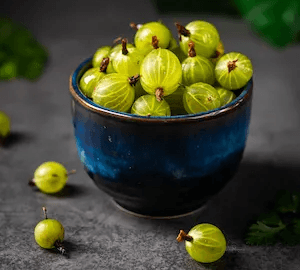
Berries: The only fruit category specifically linked to brain health. In India, while blueberries are popular, local amla (Indian Gooseberry) and seasonal berries provide similar antioxidant benefits.
Nuts: Walnuts and almonds are the "smart fats" that maintain the integrity of your neurons.
Whole grains: Switching from white rice to millets (Jowar, Bajra, Ragi) ensures a steady supply of glucose to the brain without the damaging sugar spikes.
Fatty fish or Plant-based Omegas: Essential for maintaining brain volume.
Beans and lentils: Our Indian Dals are the perfect MIND diet staple, high in fibre and vitamin B.
The 5 brain drainers to avoid
The Lancet series on Ultra-Processed Foods (UPFs) and the MIND diet studies agree: these five categories accelerate "brain rust":
Red meats (limit to <4 servings/week)
Butter and ghee (Limit to <1 tbsp/day and this is the toughest shift for the Indian kitchen)
Cheese (limit to <1 serving/week)
Pastries and sweets
Fried or fast food
The "Aamra" Indian kitchen blueprint
Following a Western MIND diet can be difficult in an Indian household. At Aamra, we recommend these "Indianised" swaps to make neuroprotection effortless:
Replace refined oils with cold pressed: Extra virgin olive oil can be used for salads, but for Indian cooking stick to cold pressed mustard or groundnut oil in moderation.
Millet over maida: Move away from refined flour. A Ragi or Jowar roti provides complex carbohydrates for slow release energy which the brain craves.
The power of turmeric: While not a "group" in the original MIND diet, curcumin in our daily Haldi is a powerful anti-inflammatory that complements the MIND framework perfectly.
The biological "why": Insights from Science magazine
Research published in Science has revolutionized our understanding of how the MIND diet actually interacts with our cells.
Autophagy and "brain cleaning": Studies in Science have shown that specific polyphenols which are found in the berries and leafy greens of the MIND diet trigger a process called autophagy. This is the brain’s internal recycling system that breaks down the toxic proteins (amyloid-beta) mentioned in the Alzheimer’s reports.
The microbiome-brain axis: Science has recently highlighted how the high-fiber lentils and grains central to Indian MIND-style eating nourish specific gut bacteria. These bacteria produce short-chain fatty acids (SCFAs) that travel to the brain to reduce neuroinflammation.
The clinical proof: Insights from NEJM
While Science looks at the cells, NEJM looks at the patients. Two major areas of research from the New England Journal of Medicine bolster our MIND diet recommendations at Aamra:
The PREDIMED Trials: Landmark studies in NEJM proved that a Mediterranean-style diet (a core component of MIND) significantly reduced the rate of major cardiovascular events i.e. strokes and heart attacks in high-risk seniors. Since "what is good for the heart is good for the head," this is a foundational pillar of our strategy.
The FINGER Trial Support: NEJM editorial reviews of the FINGER study (the first large-scale trial to show that lifestyle can prevent cognitive decline) confirm that nutrition is the anchor. Without the fuel provided by the MIND diet, physical and social exercises are less effective.
The 2026 evidence: What is proven vs. experimental?
When we synthesize findings from NEJM, Science and The Lancet, we get a very clear picture for our Indian population:
Proven: High intake of flavonoids (the pigments in colourful vegetables and berries) is linked to a slower rate of cognitive decline. This is no longer a theory; it is a clinical fact supported by the NEJM. A high-adherence MIND diet is proven to lower the risk of Alzheimer's by up to 53%. Even moderate adherence can lower the risk by about 35%.
Proven: The "food matrix" matters. Science reports indicate that taking a pill (like a Vitamin E supplement) does not replicate the brain-protective effects of eating the whole food, such as walnuts or spinach.
Experimental: Scientists are currently investigating whether adding specific polyphenols (like those found in high-grade cocoa or green tea) can "boost" the MIND diet's effects. While promising, this is not yet a standalone medical recommendation. There is also ongoing research in Science regarding Senolytics which are compounds in certain foods that might "kill" zombie cells (senescent(old) cells) in the brain. While we include these foods in our menus, using them as a "cure" for ageing is still in the experimental phase.
At Aamra, I don't expect our members to read NEJM or Science as that is my job. We take these complex papers and turn them into dietary advice which is easy to follow:
Anti-inflammatory spice blends: Utilizing the curcumin and black pepper synergy often discussed in Science.
Fibre-first snacks: Replacing biscuits with roasted chickpeas or nuts to maintain the gut-brain axis.
Vascular monitoring: Linking your diet to the blood pressure targets set by NEJM to ensure your "brain pipes" stay clear.
The Clinical Impact of Adherence
Adherence Level | Alzheimer's Risk Reduction | Cognitive Age Equivalent |
High Adherence | 53% Reduction | 7.5 Years Younger |
Moderate Adherence | 35% Reduction | 3.2 Years Younger |
Low Adherence | Negligible | Baseline Aging |
My concluding thoughts on MIND diet
The difference between "aging" and "aging well" is often found at the end of a fork. We often think of dementia as something that happens to us. The MIND diet proves that we can decide to do something about it. At Aamra, our nutritional talks often turn to these Lancet-backed insights and how to incorporate these in our everyday meals.
Because every bite is an opportunity to nourish a neuron.
The Hidden Neurotoxin
Ultra-processed foods (UPFs) act as a direct inflammatory trigger for the brain. In the Gurgaon lifestyle, where convenience often trumps nutrition, the consumption of refined flours (Maida), hidden sugars, and seed oils creates a state of chronic neuro-inflammation. This "brain rust" can neutralize the benefits of your cognitive exercises. If your diet is high in processed snacks, you are effectively accelerating your brain's biological clock, regardless of how many puzzles you solve.
FAQs
Can I just take a Multivitamin instead of following the MIND diet?
Is Ghee really bad for the brain?
Why are berries so specifically highlighted for the brain?